
I Didn’t Like This Character—Until I Had to Rewrite Him
Why rewriting a character made the story suddenly work.

I know this is a slightly weird thing to say out loud about a character in a story I’m writing… but the Jade Emperor has always been one of my least favorite characters in Journey to the West.
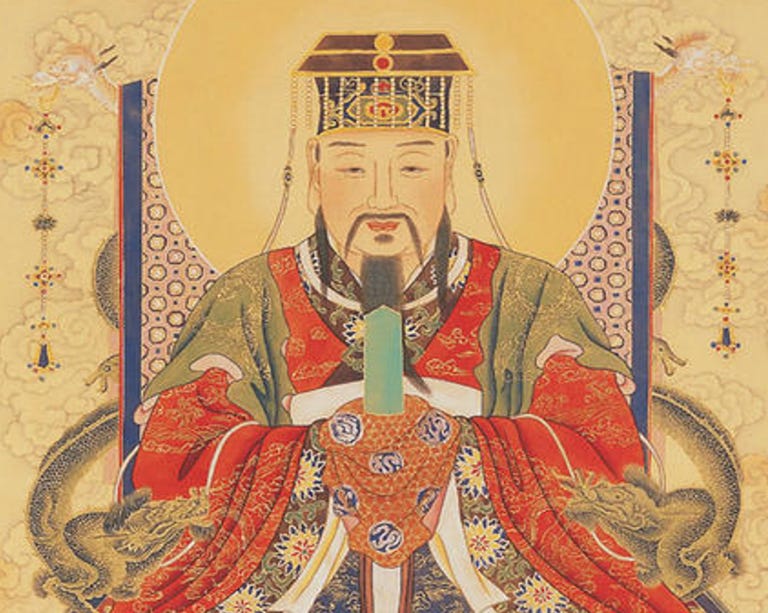
He comes across as an old god who can’t quite make up his mind—indecisive, oddly careless, and often making choices that feel selfish… or just plain lazy. Even when he’s being “nice,” his kindness never feels completely sincere. And for such an important character—one who shapes the Monkey King’s entire story—he can feel confusing, inconsistent, and honestly pretty frustrating.
But there is a reason he’s written this way.
Journey to the West didn’t begin as one neat, polished story. It grew over centuries. At its core is the real journey of the Chinese monk Xuanzang (602–664), who traveled to India in the 7th century to bring Buddhist scriptures back to China. Over time, history blended with folk tales, myths, and legends, passed down through oral storytelling, each retelling shaped by the storyteller’s voice, imagination, and the social commentary of their time.
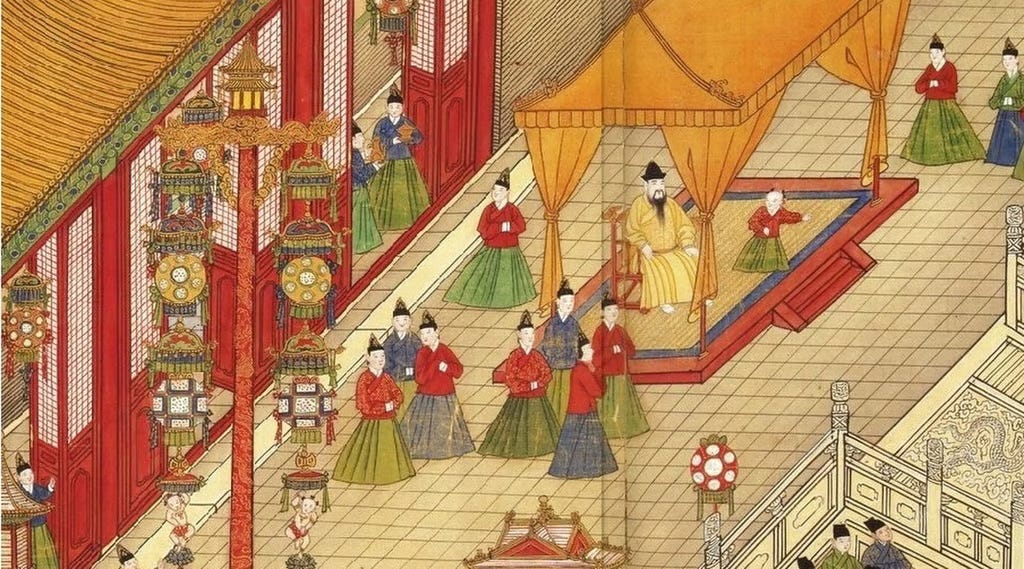
By the Ming Dynasty, when scholar Wu Cheng’en wrote the version most of us know today, the Jade Emperor had become satire. He was a representation of the Ming Dynasty bureaucracy, corruption, and incompetent leadership.
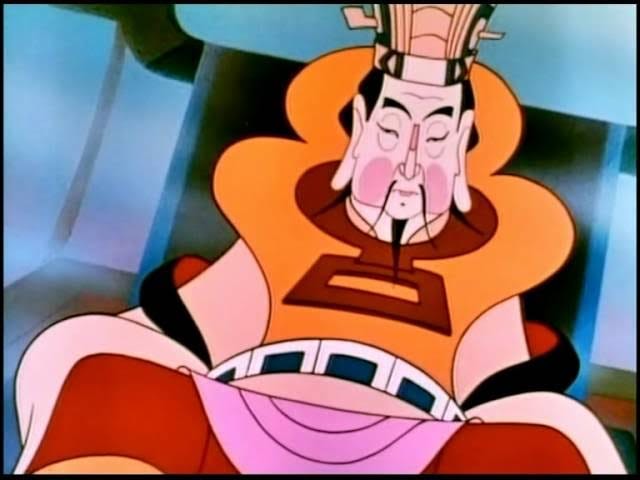
Even though the Jade Emperor is technically the ruler of everything—Heaven, the Mortal Realm, and the Underworld—he doesn’t seem especially wise or powerful. Instead, he comes across as a lazy, contradictory old man. Whenever I reread the book, I imagine an emperor who is out of touch and lazy.
And that’s where my problem began.
When I began writing the first draft of my Monkey King story, the Jade Emperor was one of the hardest characters for me to understand. How do you make your least favorite character work? How do you take someone shaped by old political satire and make him feel relevant to readers today?
Yes, Sun Wukong is a notorious trickster and an up-to-no-good wild monkey. But seriously, the Jade Emperor adds a lot of fuel to that fire. Monkey might have stayed a forest troublemaker forever, except the Jade Emperor invited him to Heaven in the first place. His indecisiveness pushes him toward the easiest solution, dressing self-interest up as “kindness” and hoping things will magically work themselves out.
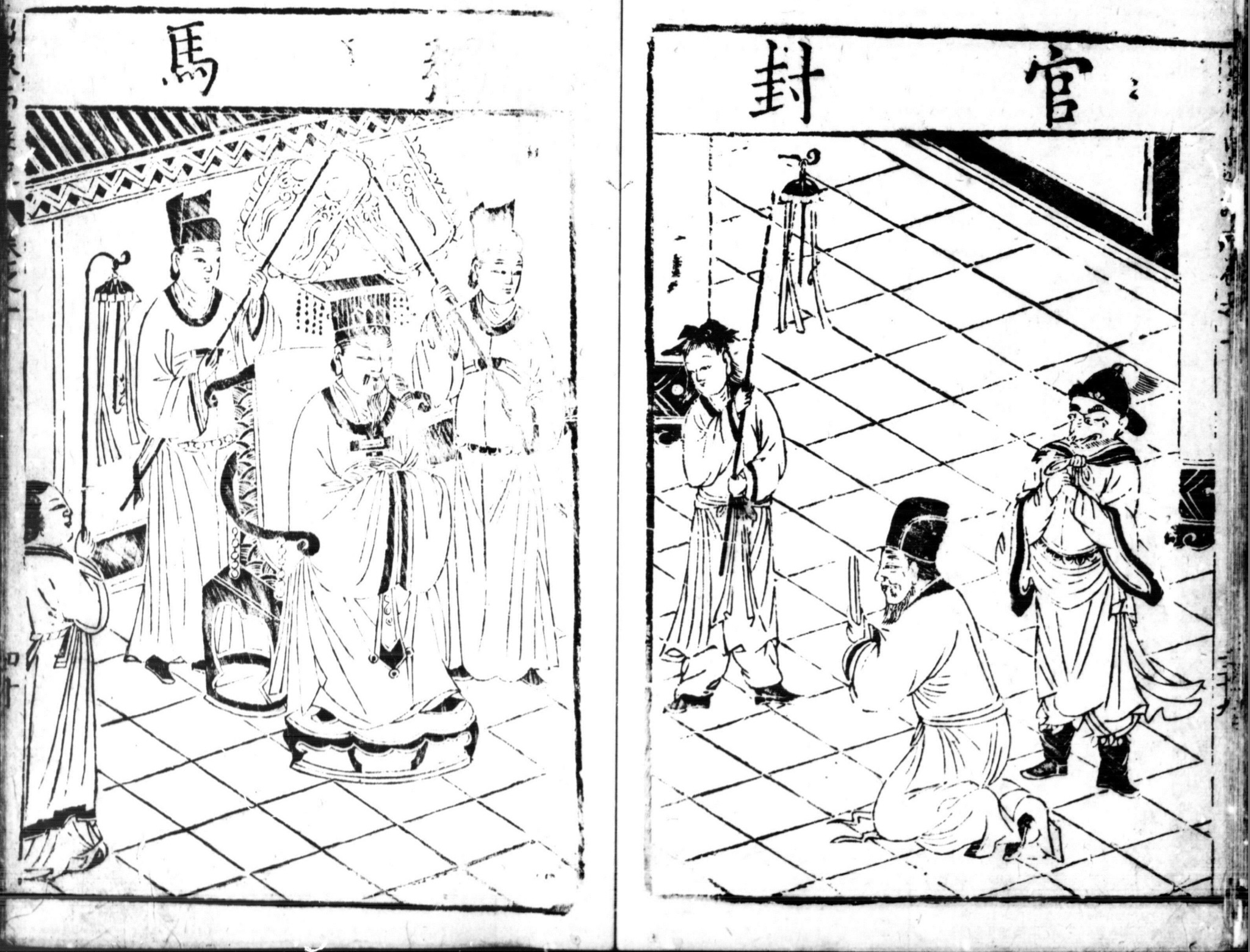
Although he has to make those mistakes, without them, there’s no chaos in Heaven and no story. But having an emperor who feels less honorable than the troublemaking Monkey never quite sat right with me.
It took me a long time to untangle that.
Eventually, I figured out the Jade Emperor didn’t need to be rewritten as a villain or a hero. He just needed to feel human. He had to be someone who truly believed he was making the right choice. Someone who tries, second-guesses himself, learns along the way, and still gets it wrong. Over and over.
Because that feeling of trying your best, only to have things not work out as you hoped, or even fail… along with the disappointment and frustration that follow, is something many of us recognize. Especially when we’re growing up and still figuring out who we are.
Once he felt real, everything else, Monkey’s choices, the chaos in Heaven, and the heart of the story, all fell into place for me.
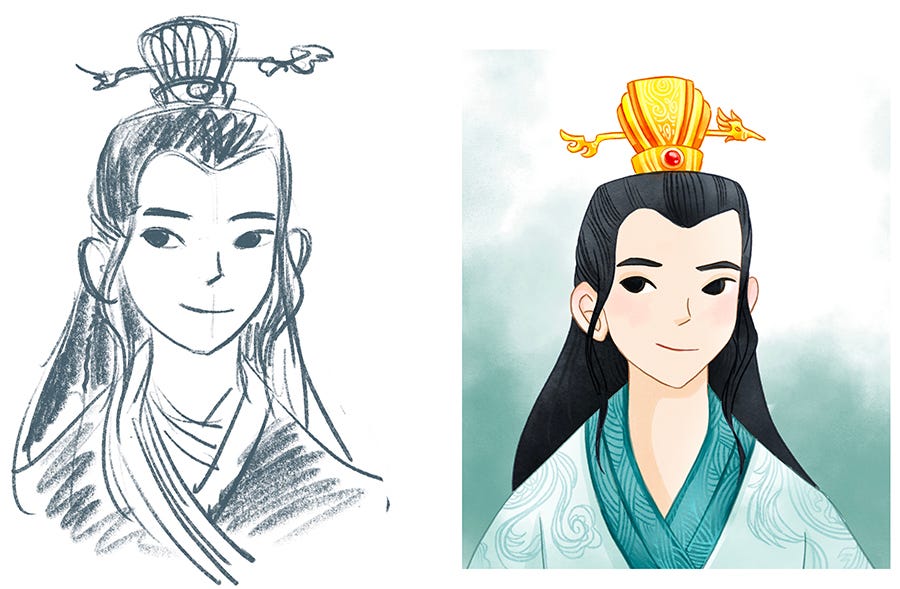
If you’re curious to see how I reimagined him (and how that shift reshapes the Monkey King’s story), Monkey King: Uproar in Heaven is now available for pre-order.
I can’t wait for you to step into this world with me. 🐒✨


More sneak peek about Monkey King: Uproar In Heave Check out! - Monkey King Collection.
