
How Do You Make a Fantasy World Feel Real?
Falling Into a World-Building Rabbit Hole

I think one of the most fun (and slightly dangerous) parts of making a graphic novel is world-building. Dangerous… because this is the stage where I disappear into a research rabbit hole for days. 😅
I always start with the story. But once that foundation is in place, this is when I get to wander. I start building the world around it—playing, trying out wild ideas, sneaking in things I love, and seeing how far I can push them.
✨ Curious how this world (and Monkey himself) came to life?
I’ve been sharing the journey—from first ideas to final pages
And this is also the moment when the book starts to feel like something. The world begins to take shape. The visual language starts to emerge. And slowly… it becomes a place readers can step into. Even though Monkey King: Uproar in Heaven is rooted in mythology, I wanted the world to feel grounded—like it belongs to a real culture, a real history. The kind of world where, as you read, little details make you pause and wonder, “Wait… is this real?”
And maybe even feel curious enough to go look something up after. So before I draw anything, I go into full research mode.
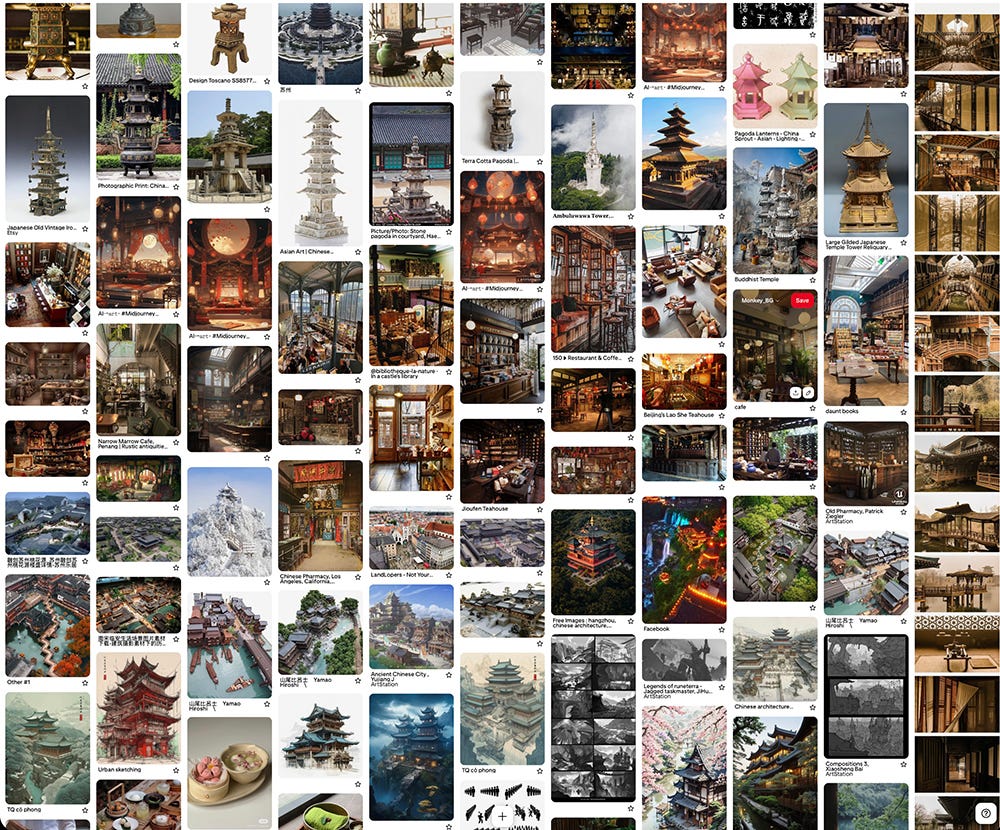
I collect images of ancient Chinese artifacts, architecture, fashion, and paintings… slowly building a visual library to return to as I design the book. (aka my very organized chaos of inspiration folders)
I usually make just one reference library per book… but Monkey King had other plans. 😅 I somehow ended up with three massive libraries, and the above image is just part of the background one.
The world of Monkey King is… big.
There are three realms: the Underworld, the Mortal World, and the Heavenly Realm.
And within those, there are even more territories and kingdoms. Which means… a lot of world to design.
And for readers, that also means getting to travel through very different spaces, each with its own feeling, its own mood, its own rules. I found myself especially drawn to architecture. It became one of the biggest parts of my visual research because I wanted each realm to feel distinct, like you could tell where you are instantly, even without a single word.
Like stepping into a new scene and just knowing.
Here are some highlights of images that inspired the design concept of each realm:
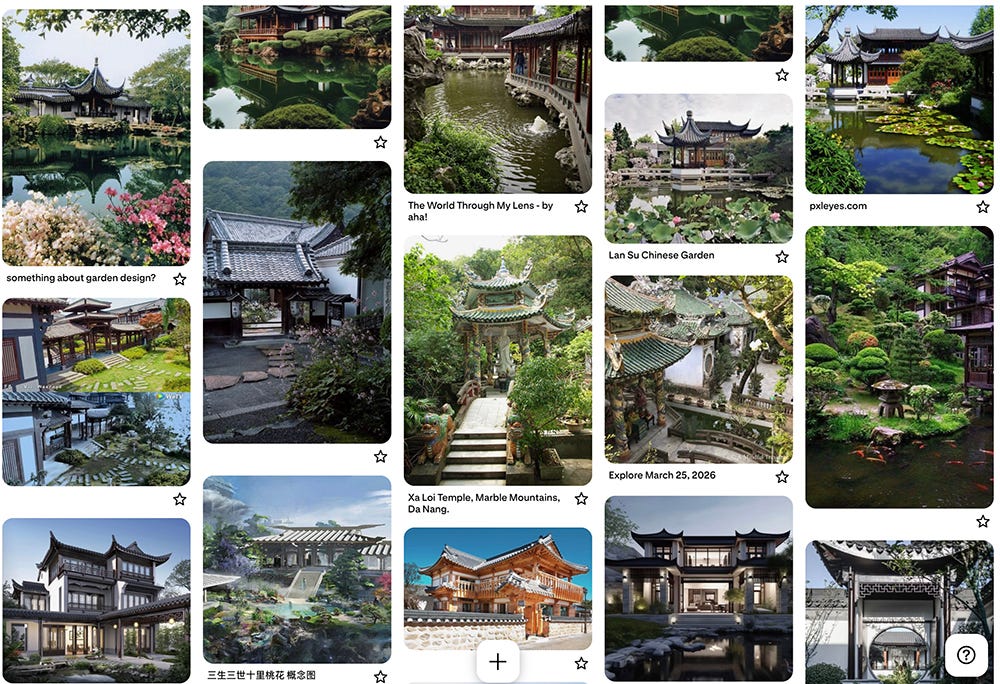
My reference library for the Heavenly Realm’s royal garden 🐲
I thought I’d pick a few favorite images to share… but then I opened the folder and got completely lost in it. So… screenshot it is. LOL
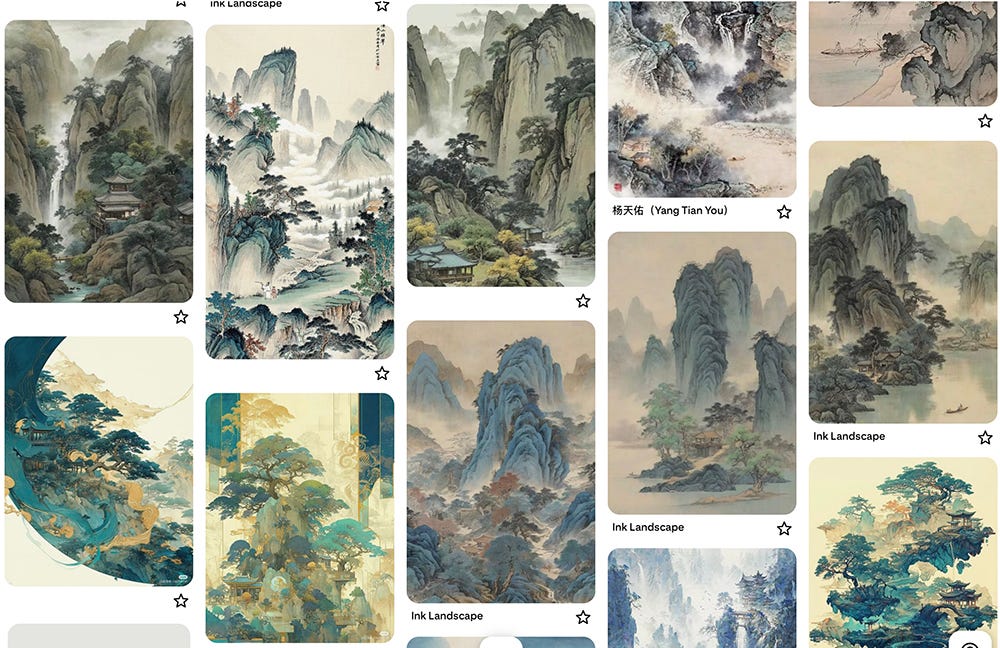
Mortal Realm 🐒
These are reference images for the mortal realm, mostly for designing Monkey King’s home forest. I wanted it to feel inspired by classical Chinese ink paintings, soft, atmospheric, a little dreamy, but with richer, more colorful palettes layered in to keep it lively and playful.
The kind of place where monkeys (and plenty of other cute animals) have been living for centuries… you know, the perfect kind of mountain for summer camp. 🌿
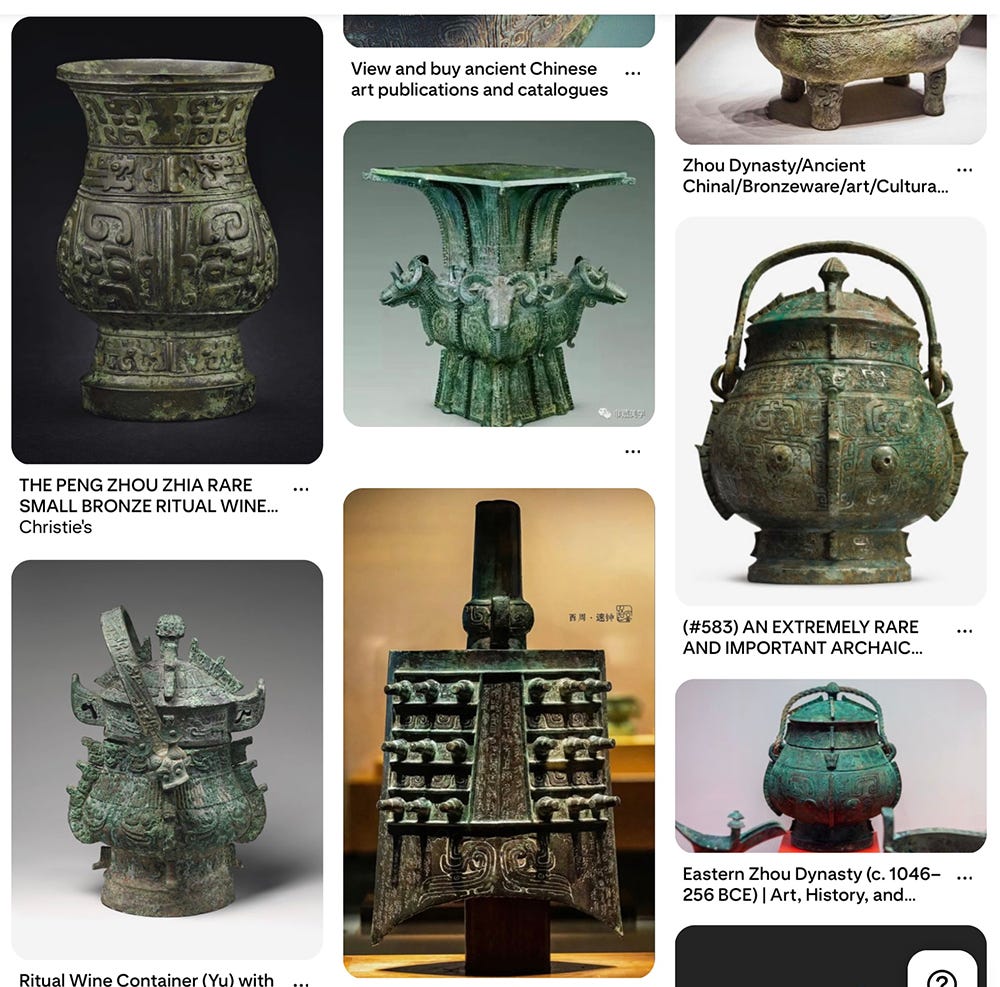
Underworld 👹
The Underworld only appears briefly in the book, but I still wanted it to feel distinct from the other realms.
In my mind, it’s ancient and aged, but not meant to feel scary. In Chinese mythology, this is a place where souls are judged fairly for their deeds, not automatically punished… unless, of course, they’ve done something really bad. 😅
So instead of horror, I leaned more into a quiet, heavy, almost timeless feeling.
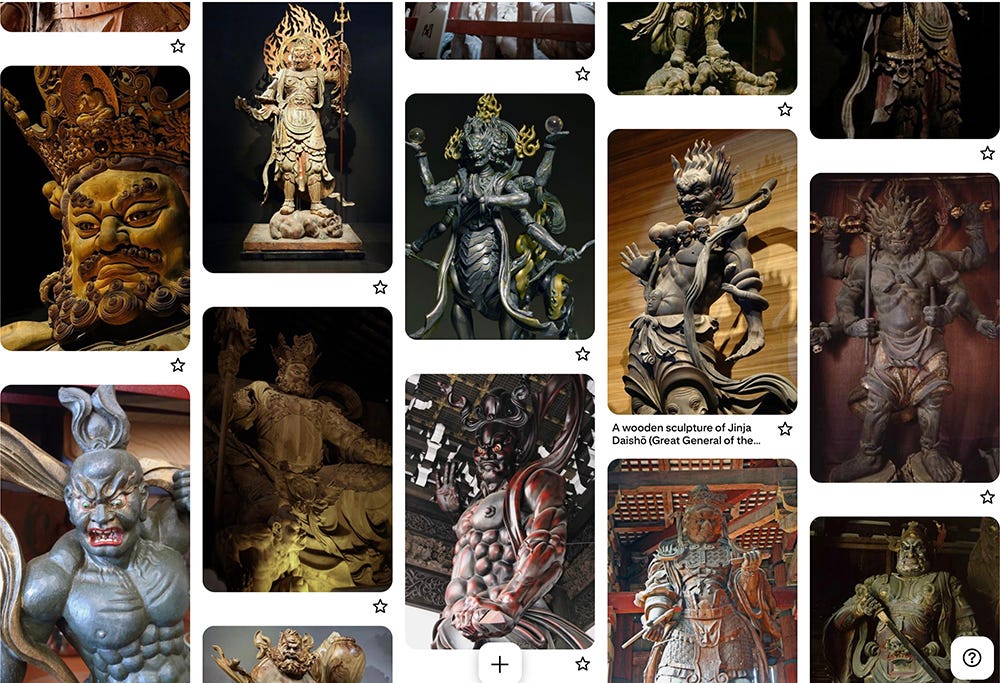
These “scary” Buddha statues became key references for designing characters, and sometimes decorative elements in both the Heavenly and Underworld realms.
In the Chinese mythology and religion, not all gods look gentle or serene. Some appear fierce, even demon-like, yet they are protectors. And sometimes… the opposite is true. What looks beautiful and elegant might be far more dangerous. 😈
I ended up drawing from many of these contrasts while designing the characters, so as you read, appearances don’t always tell you everything.
As for the overall art direction, one thing I knew early on: I wanted the world to feel cinematic and epic. Not just something you look at, but something you can sink into. Even though the foundation is inspired by traditional art forms, I also wanted it to feel immersive and relatable for modern readers. Which led me down another very fun rabbit hole… watching a lot of C-dramas. And not just watching them, but studying the behind-the-scenes production, especially set design. I became a little obsessed with how small details, patterns, carvings, textures, can quietly carry a story.
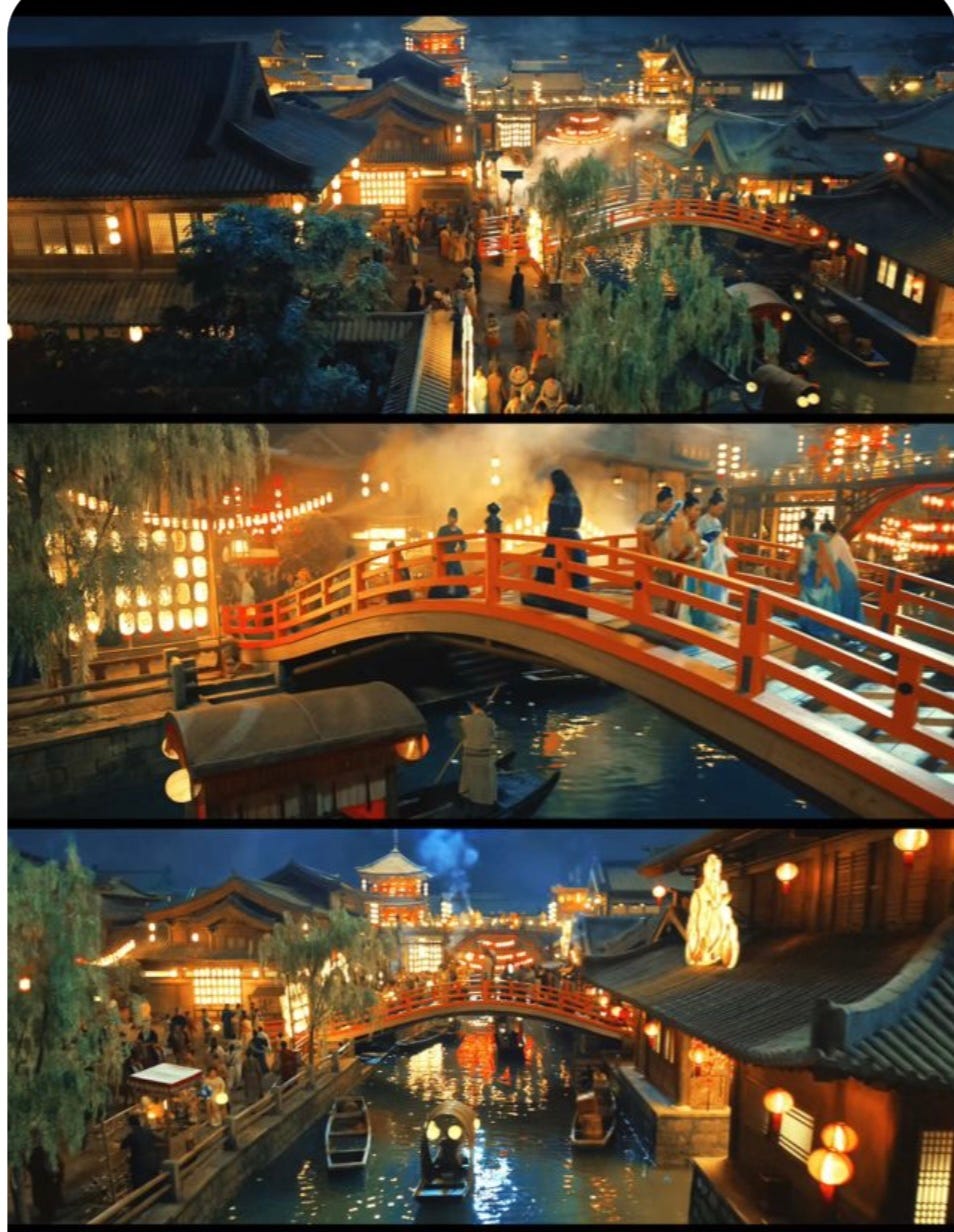
Those details add layers of meaning.
They give spaces a sense of history.
They turn even an empty wall into part of the narrative.
Sometimes, those background elements hold part of the storytelling—so the characters (and the reader) have more room to breathe.
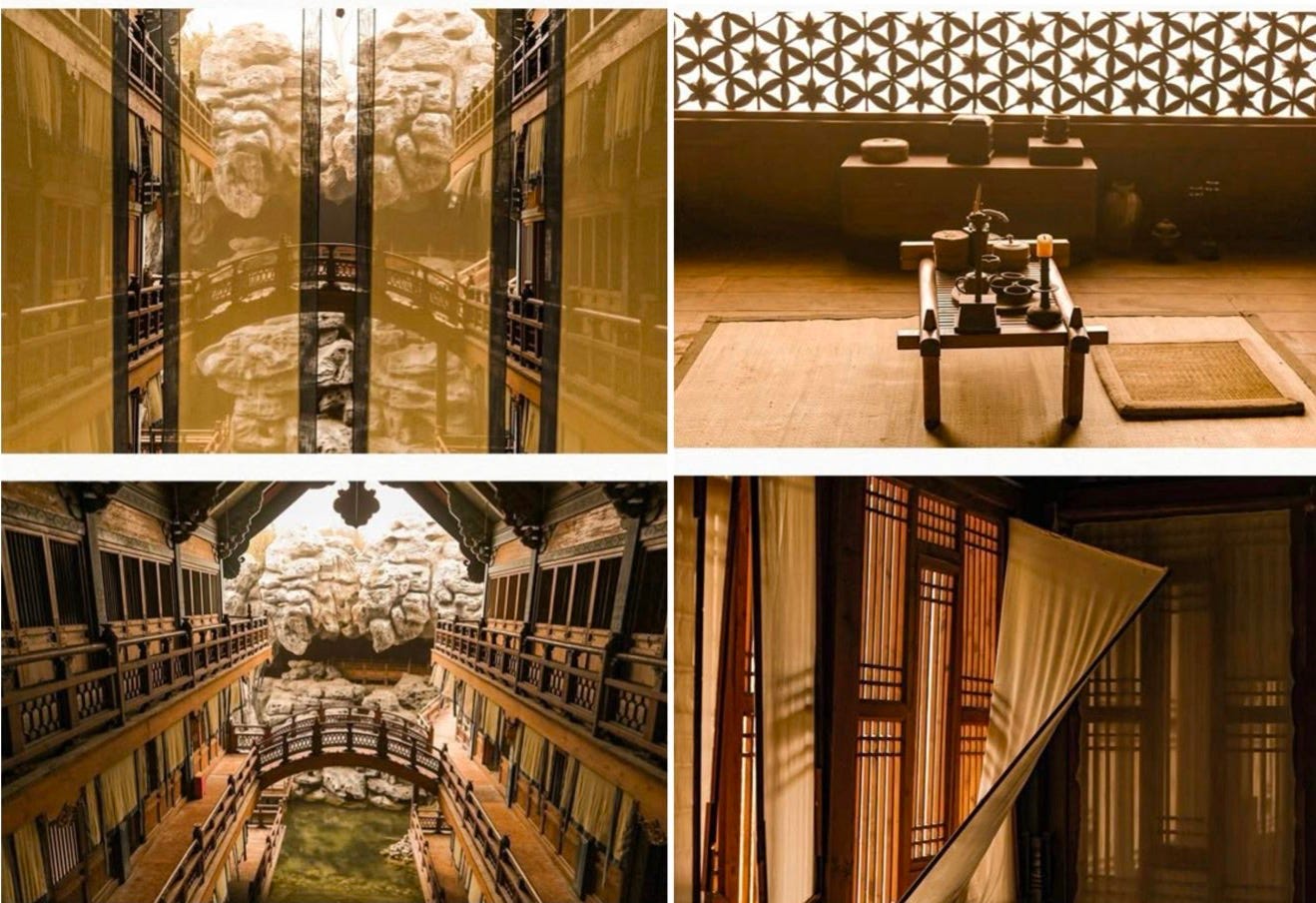
And I think that’s one of my favorite parts of world-building, when the world itself starts telling the story with you. When it’s not just something you see, but something you can feel as you move through it. Once I can see it and feel it, everything begins to click. The overall art direction becomes clearer, and the other jigsaw pieces slowly start falling into place.
That’s usually the moment I know I’m ready to finally dive in and start designing for real.
I’ll share more about that part of the process next time ✨
✨ Curious how this story came together? Follow the journey behind Monkey King: Uproar in Heaven
✨ LA—this is your invite 👀
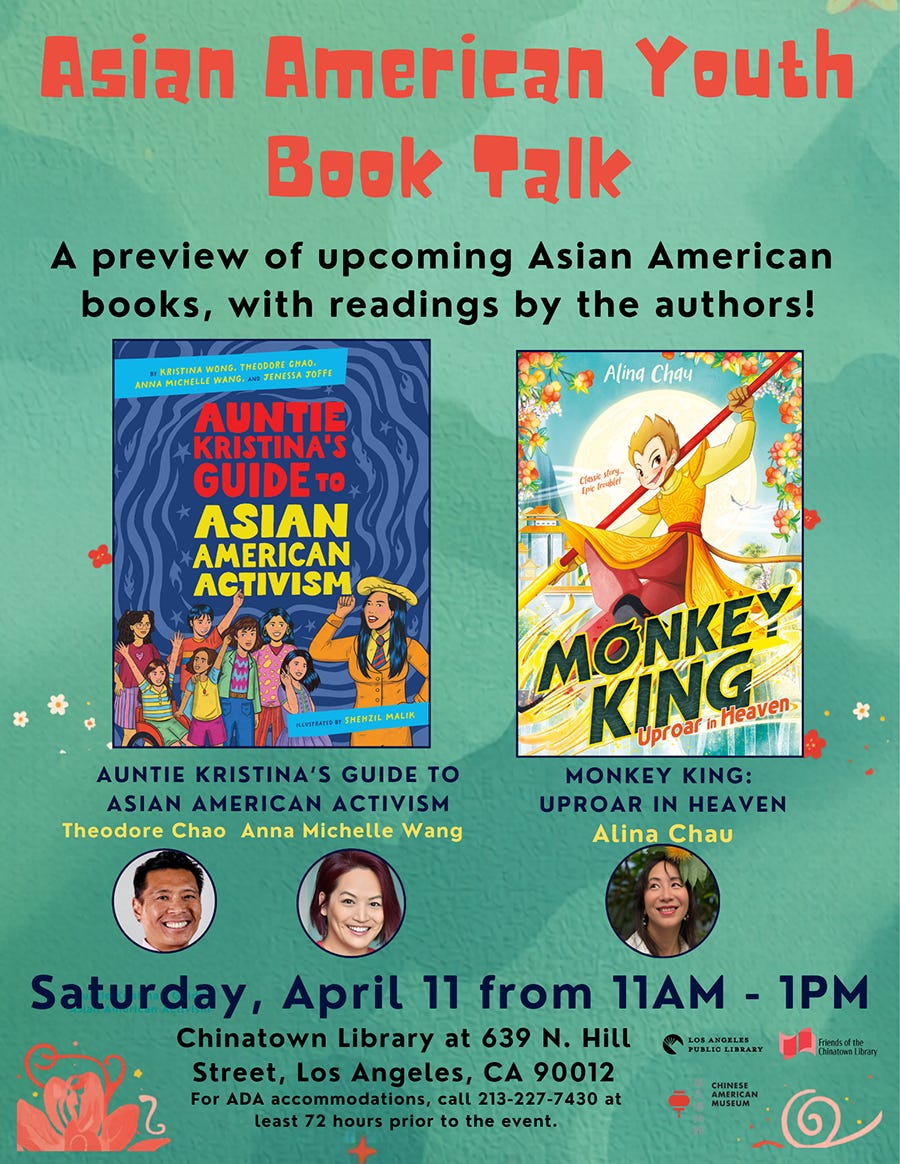
✨ If you love stories, behind-the-scenes peeks, and a cozy library morning…
I’ll be speaking at the Asian American Youth Book Talk on April 11 (11 AM–1 PM) at the LAPL Chinatown Branch. Hosted by the Friends of the Chinatown Library + the Chinese American Museum of Los Angeles.
I’ll be joining Theodore Chao, Anna Michelle Wang, and Benson Shum—we’ll be sharing our upcoming books, the stories behind them, and I’ll be giving a sneak peek of Monkey King: Uproar in Heaven 👀
Come by, bring a friend, and settle in for a morning of stories 💛
Would love to see you there.
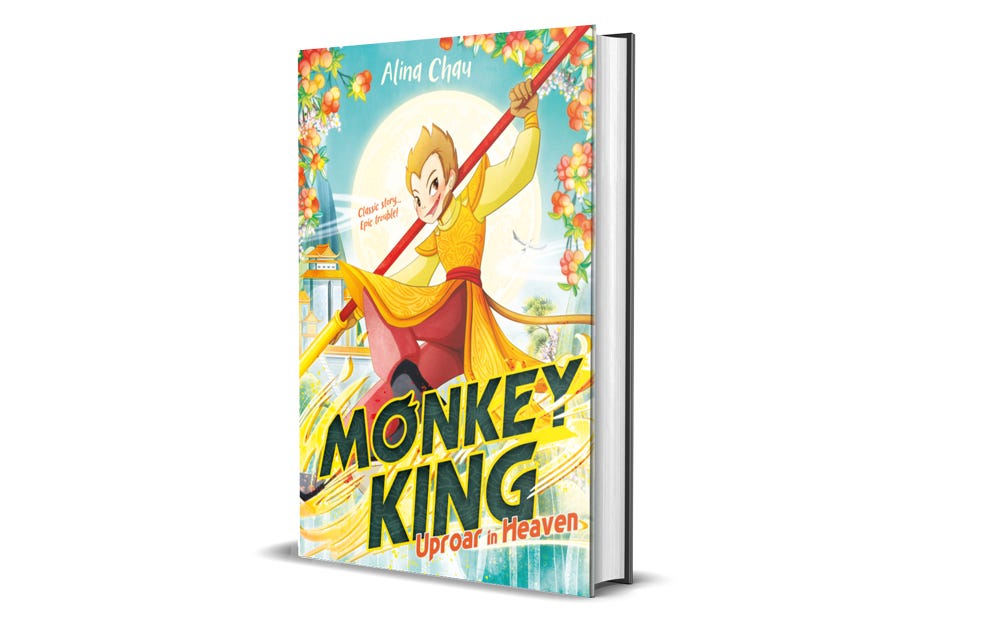
Monkey King: Uproar in Heaven is now available for pre-order. 🐒✨



I love seeing other artist's moodboards... and making moodboards... and staring longingly at moodboards while my projects scold me lol. It's so easy to get lost in the pretty pictures and Wikipedia link-surfing when worldbuilding. So much fun though! And then you get to bust out fun (often morbid) facts about ancient history at social gatherings while your friends sigh in resignation